Investigating the foundations of consciousness
Prominent neuroscientists acknowledge that a serious re-conceptualization of consciousness is likely needed1. Open Minded Scientists (OMS) is a team of doctors, scientists, and engineers developing cutting edge methodologies and technologies to approach this problem from a unique angle.
Our motto is “Data Sequi” — Follow the Data.
Open Minded Scientists is a 501(c)(3) public charity. EIN 93-3353231. Gifts are tax deductible to the extent the law allows.
The Background Evidence
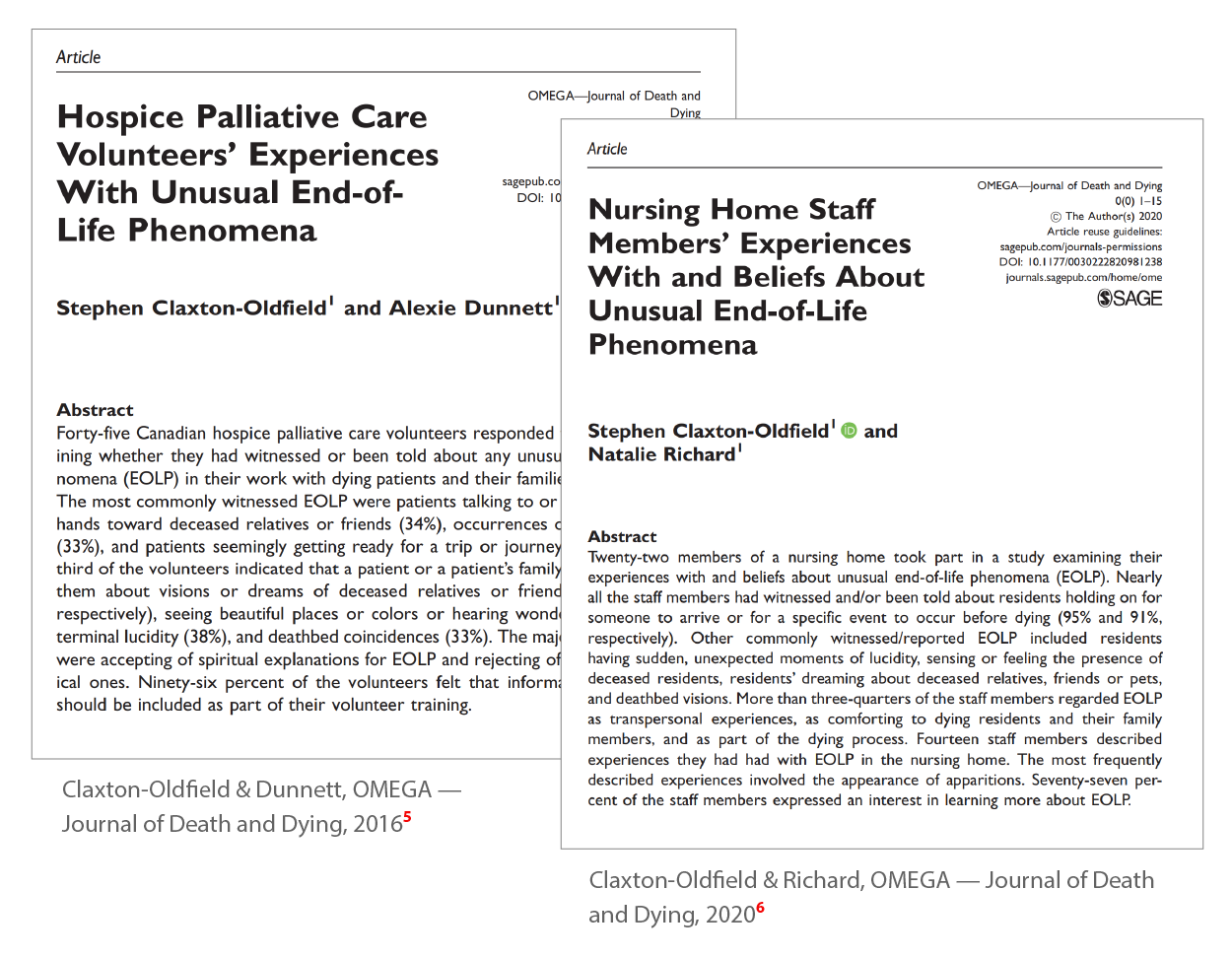
Medical professionals sometimes observe surprising phenomena around a patient’s body when they die, including sudden gusts of wind and seeing glowing lights2,3.
These experiences come from trustworthy sources, but further research has been limited by ethical, methodological, and institutional barriers.
We believe these “perimortem environmental phenomena” (PMEP) are clues to the foundations of consciousness.
Our research
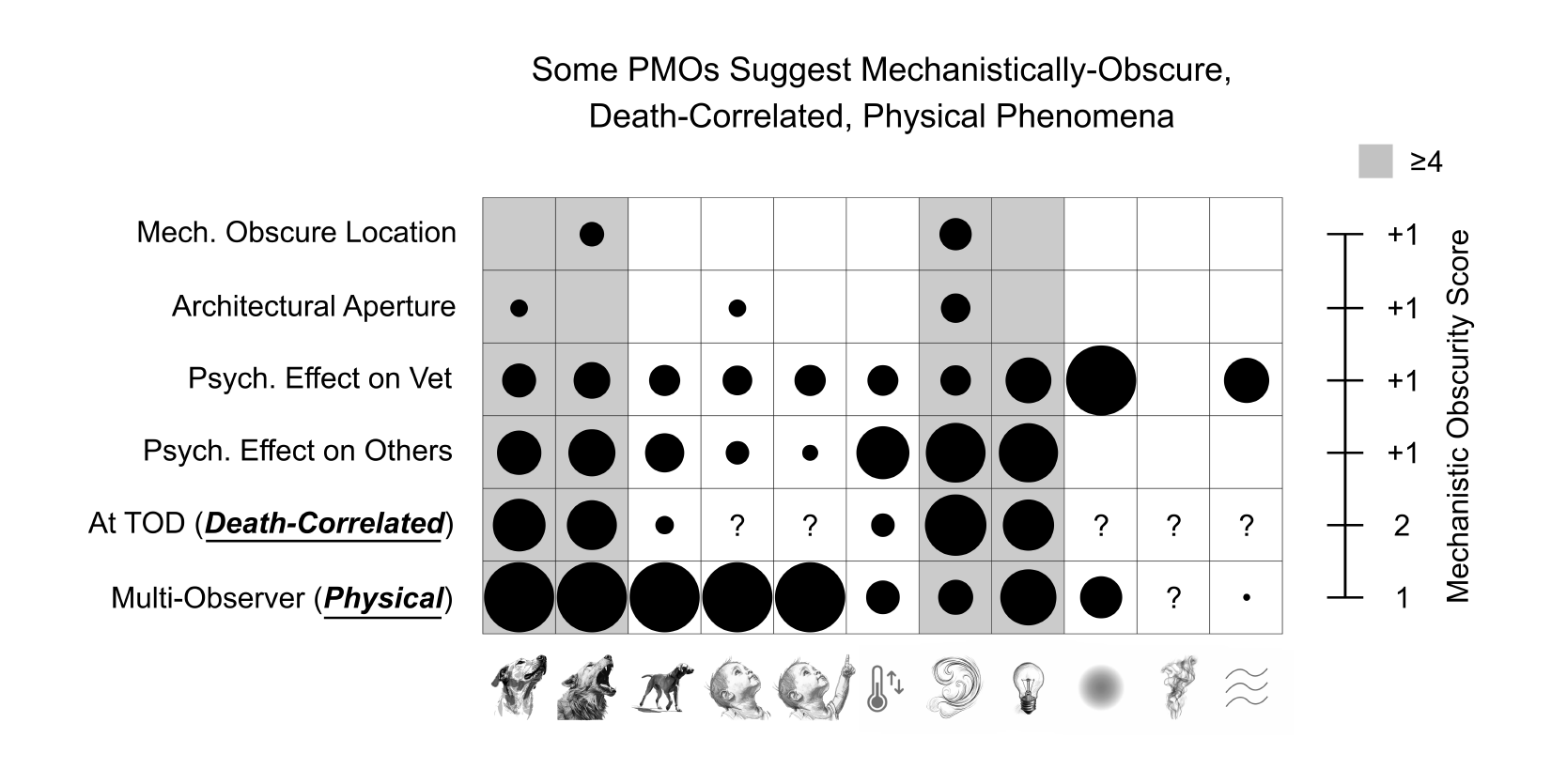
OMS has discovered that veterinarians also observe perimortem environmental phenomena, during animal euthanasia procedures4.
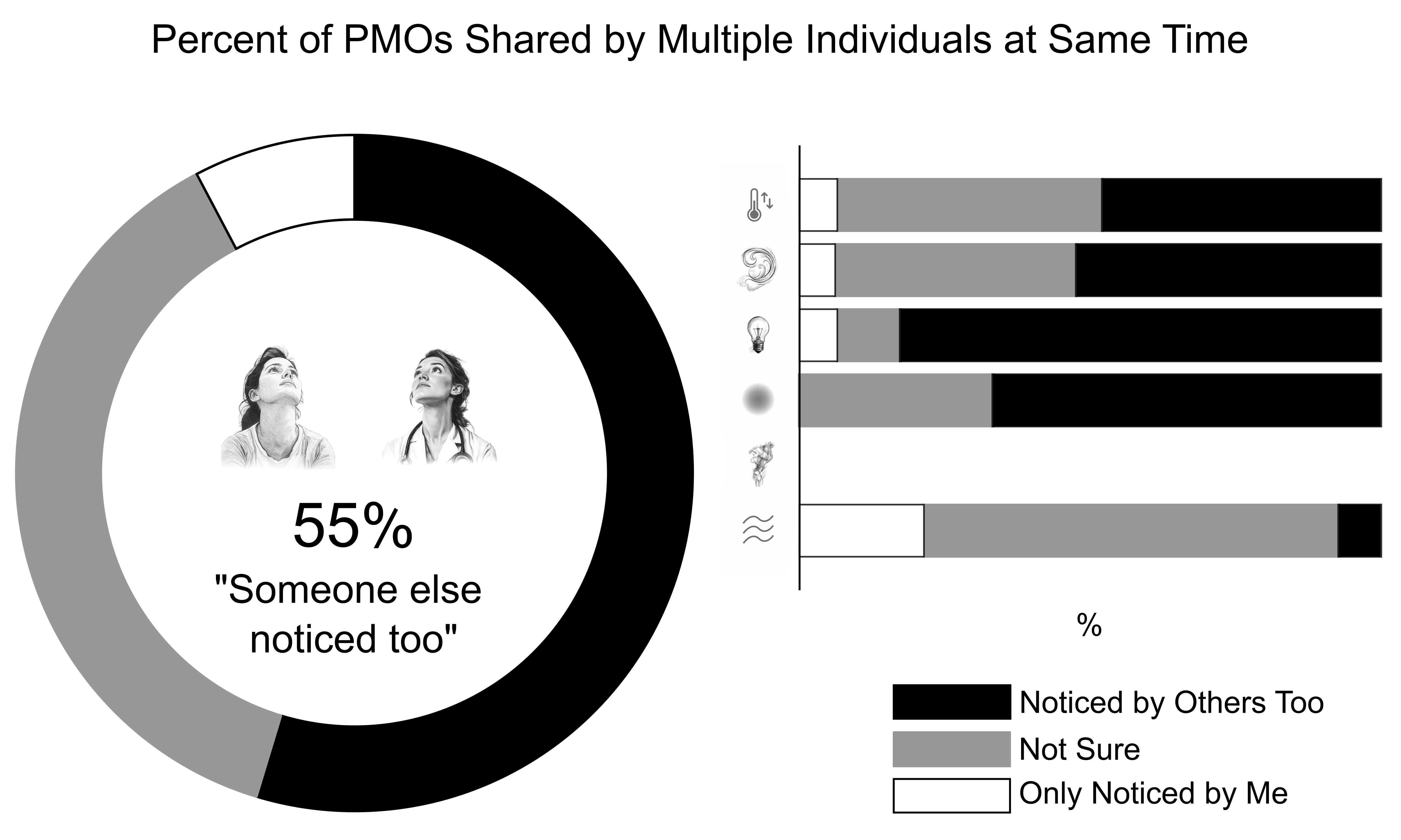
Our data suggests that these are not hallucinations, delusions, illusions, or coincidences.
Our data suggests that these are observations of a physical, death-correlated phenomenon, with unknown mechanism.
Our Path Forward
We are testing the hypotheses developed from our previous survey results.
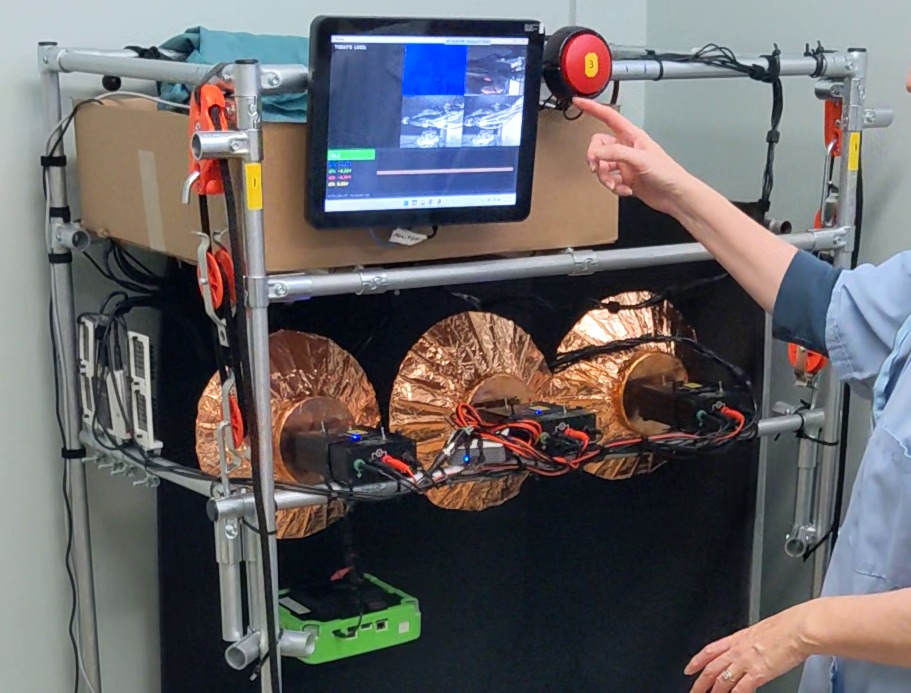
Our current research “piggybacks” unobtrusive data recorders on the thousands of routine veterinary euthanasia procedures occurring annually in the US.
Our research methods are ethical, replicable, and scalable.
The single most provocative piece of research I have encountered in my career, which spans 38 years as a post-baccalaureate-and-beyond researcher in the physical sciences.Distinguished Professor of physical sciences at a top US university
* among papers posted to ResearchGate in 2026
Recognition
Team

President & Chief Scientist
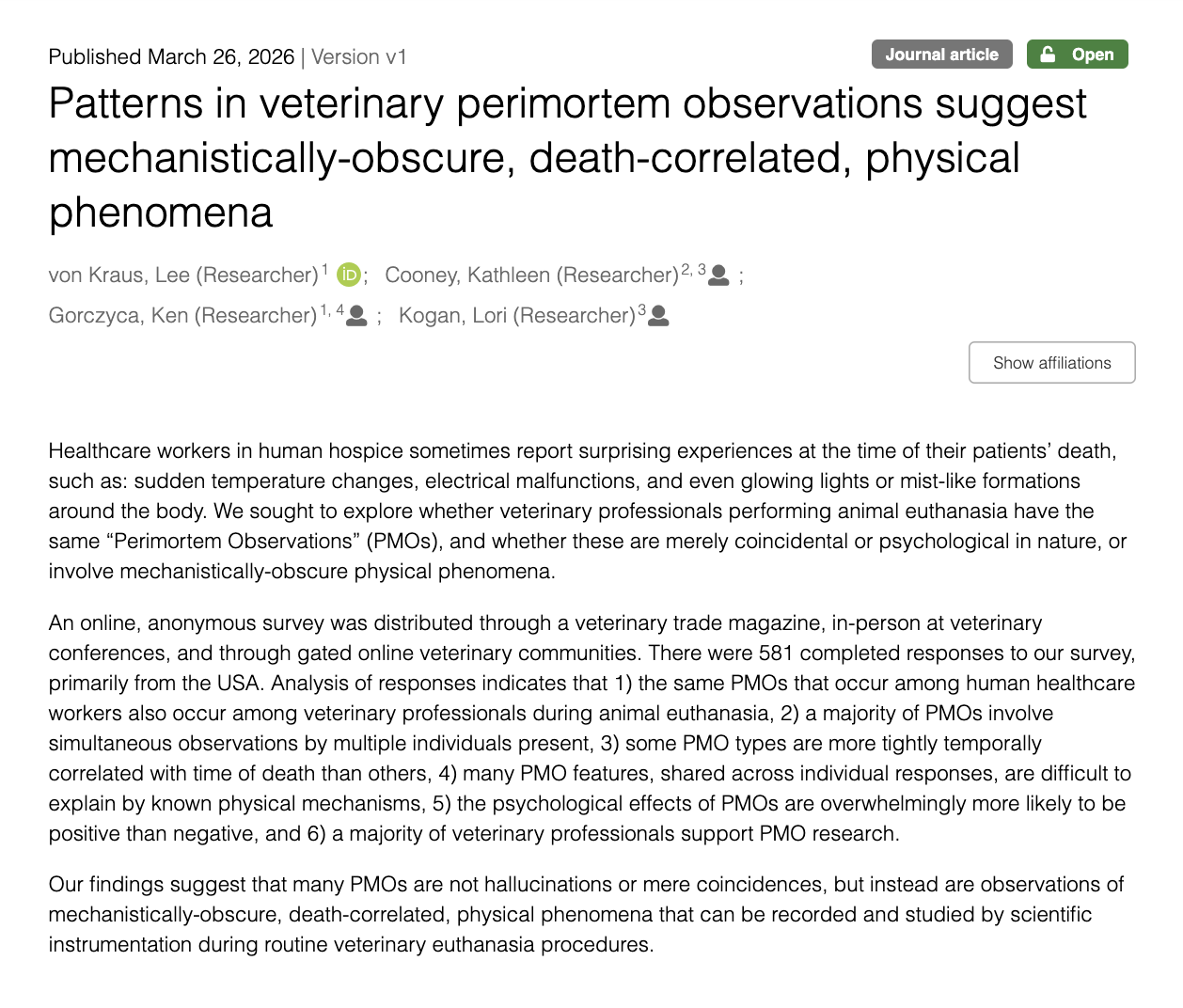
Lee von Kraus, PhD, has over 20 years experience in multi-disciplinary scientific research and development of novel, award winning technologies. He holds multiple patents and serves as a mentor at Techstars startup accelerator, NYU School of Engineering, Weill Cornell Medicine, and Columbia University.

Vice President
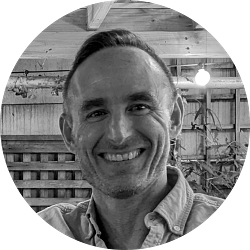
Ken Gorczyca, DVM, is a veterinarian, death doula, and artist, whose veterinary practice blends medical care with ceremony, storytelling, and love to honor animals and their families at the end of life.

Treasurer
Jonathan Zschau, Esq., is a Massachusetts attorney and licensed insurance producer, as well as a published technology author and tech evangelist. He provides legal and financial guidance to the board in his capacity as Treasurer.

Associate Researcher
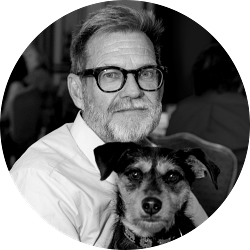
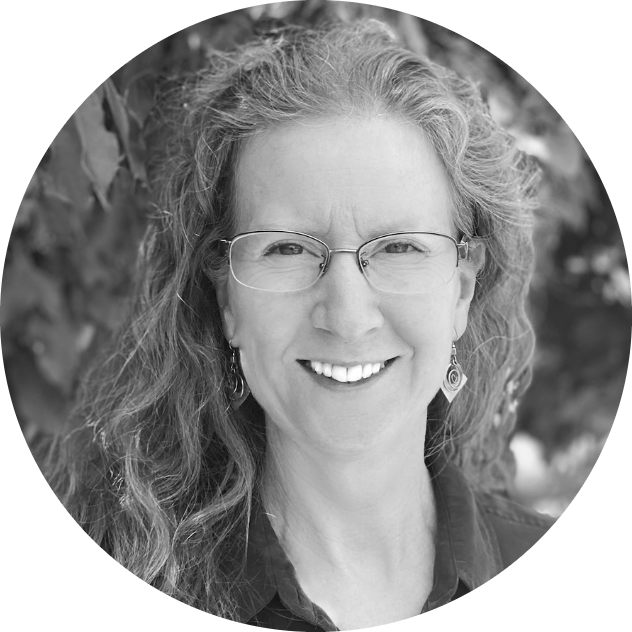
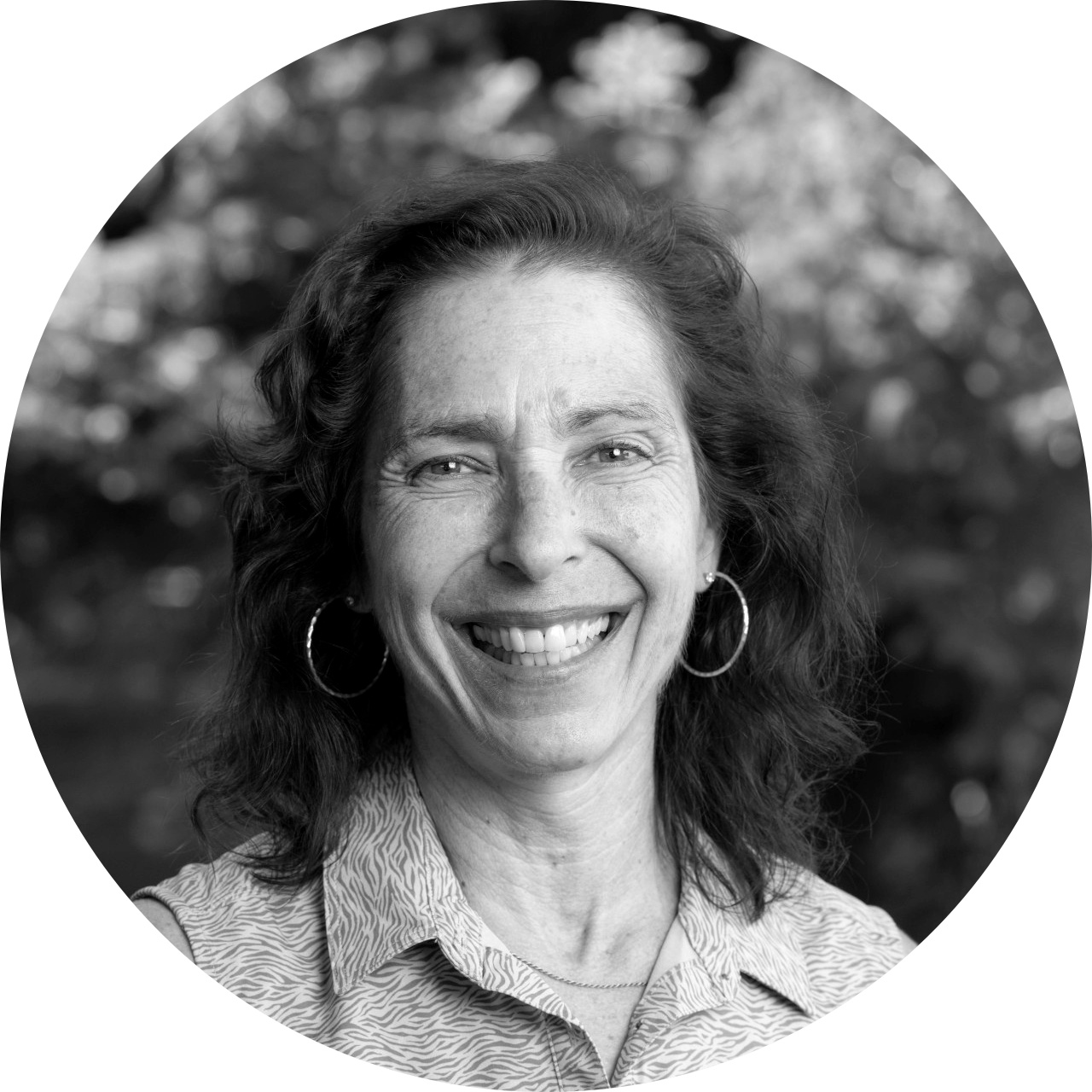
Kathleen Cooney, DVM, MS, CHPV, DACAW, is Senior Director of Medical Education with the Companion Animal Euthanasia Training Academy (CAETA) and an animal welfare course instructor at Colorado State University.

Associate Researcher
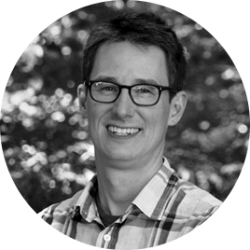
Lori Kogan, PhD, is a Professor of Clinical Sciences at Colorado State University, Chair of the Human-Animal Interaction (HAI) section of the American Psychological Association (APA), and Editor-in-Chief of the Human-Animal Interaction Journal.

Associate Researcher
Stephen Claxton-Oldfield, PhD, is an Associate Professor in the Dept. of Psychology at Mount Allison University, on the Board of Directors for Hospice Southeast New Brunswick, a trained hospice palliative care volunteer, and a Certified Thanatologist (CT) with the Assoc. for Death Education and Counseling.

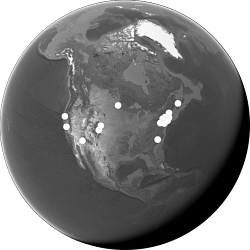
Many other doctors, scientists, and engineers distributed across NY, CA, CO, ND, AZ, MA, and TN.
Be part of “we”!
Twelve months of this research costs $182,000.
Helps put sensors in the room during a routine procedure that would otherwise go unrecorded.
Keeps the instruments running and the site fees paid so recording does not stop.
Underwrites a block of the 1000-procedure target for our ongoing research.
Helps fund a new sensor suite, so a second site can record at the same time and the dataset builds twice as fast.
Stay in the loop
Once in a while we send an update on what the data shows — and what it does not tell us yet.